
We build every knife here by hand for hunters who need a fixed blade that holds its edge through a long day in the field. D2 is a high-carbon, high-chromium tool steel prized for wear resistance and edge retention, which makes it one of the most practical choices for field dressing, skinning and everyday outdoor cutting. The knives below are full tang, across a wide range of handle materials and blade shapes, most paired with a handmade leather sheath.
-
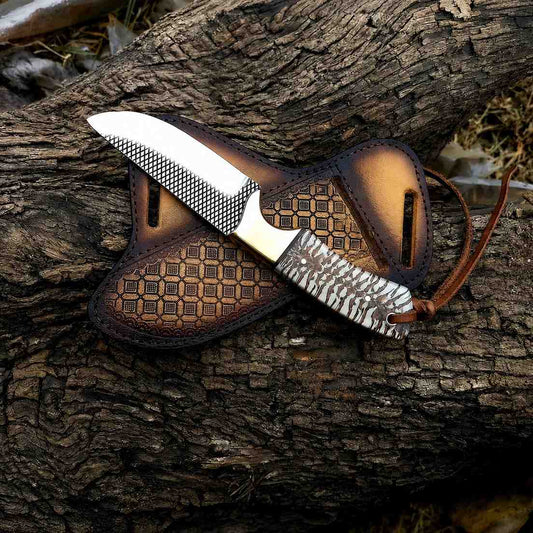
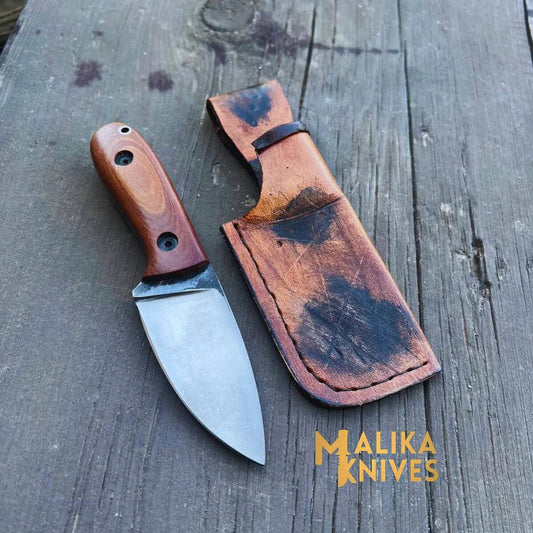
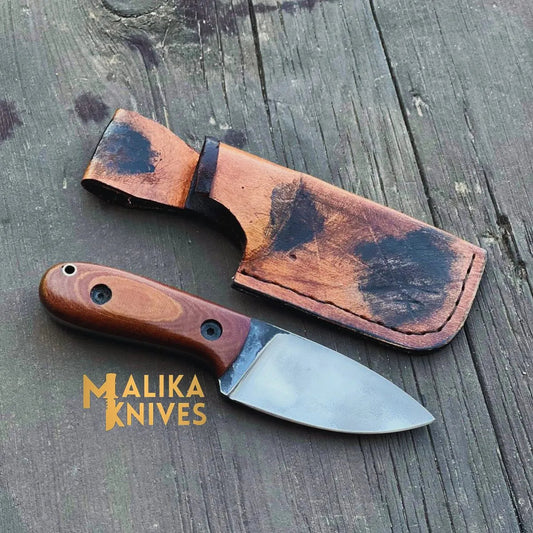
Cowboy Hunting Knife Rasp Steel Pinecone Handle
Regular price $105.00 USDRegular priceUnit price per$210.00 USDSale price $105.00 USDSale -
Rasp Steel Cowboy Knife – 8" Skinner with Pine Cone Handle & Crossdraw Sheath
Regular price $99.99 USDRegular priceUnit price per$210.00 USDSale price $99.99 USDSale -
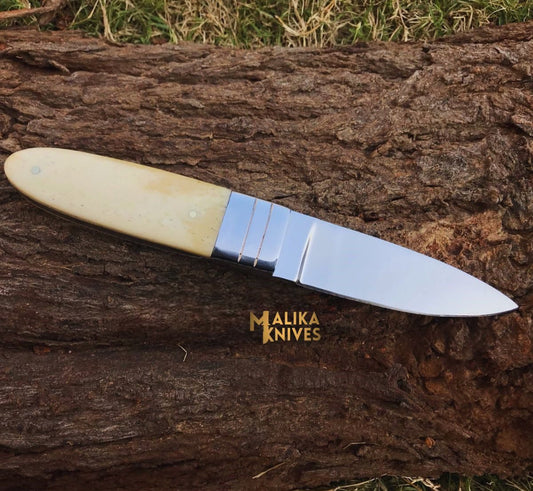
Needle Point Hunting Knife D2 Steel Camel Bone Handle
Regular price $89.99 USDRegular priceUnit price per$180.00 USDSale price $89.99 USDSale -
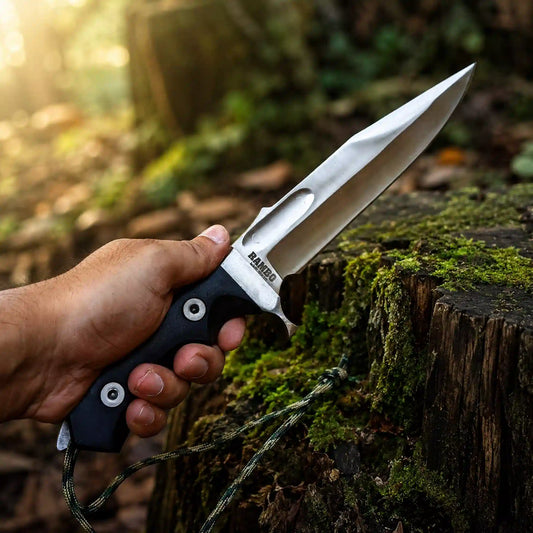
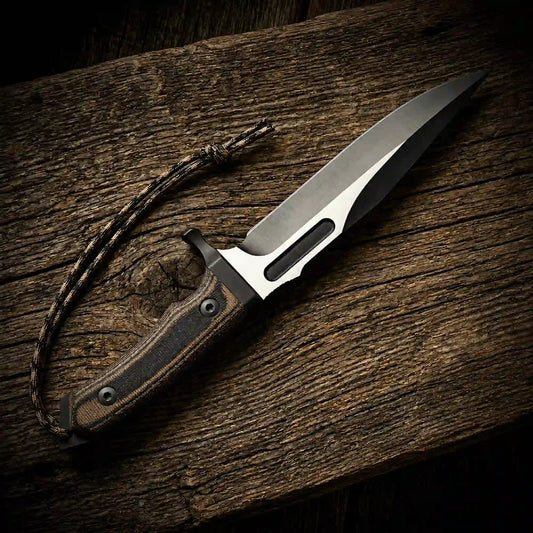
Rambo V Last Blood Replica Bowie Knife – 14" D2 Blade, Micarta Handle
Regular price $145.00 USDRegular priceUnit price per$290.00 USDSale price $145.00 USDSale -
Rambo-Style Survival Bowie Knife – 14" D2 Spear Point with G10 Handle
Regular price $155.00 USDRegular priceUnit price per$310.00 USDSale price $155.00 USDSale -
Camel Bone Skinner Knife with leather Sheath
Regular price $129.00 USDRegular priceUnit price per$258.00 USDSale price $129.00 USDSale -
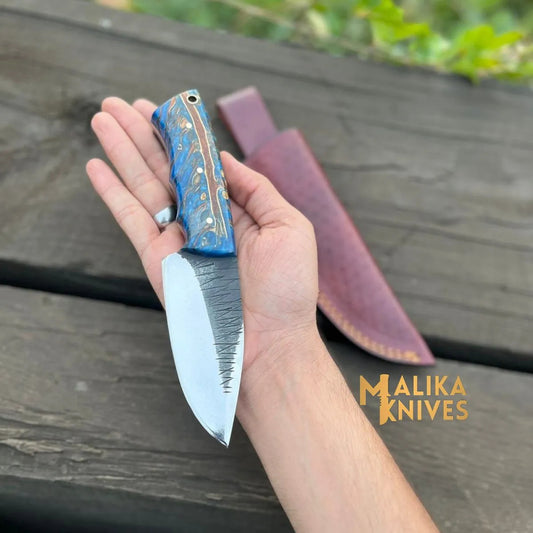
Custom handmade D2 Steel Skinner Knife - Designed Durability-0022
Regular price $95.00 USDRegular priceUnit price per -
Premium Custom EDC Skinner Knife with Handcrafted Leather Sheath - Razor-Sharp Survival Tool-0023
Regular price $135.00 USDRegular priceUnit price per -
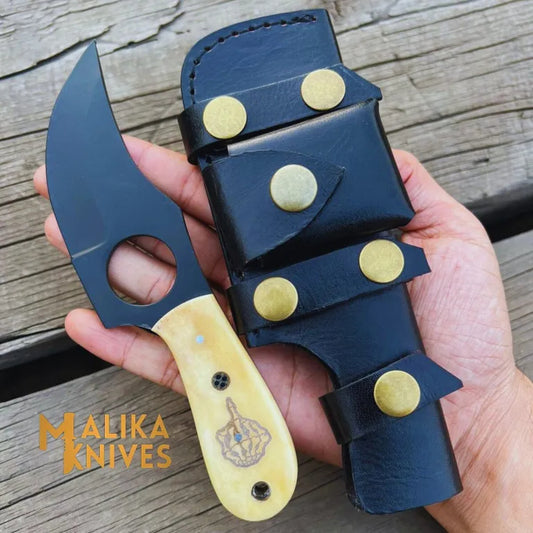
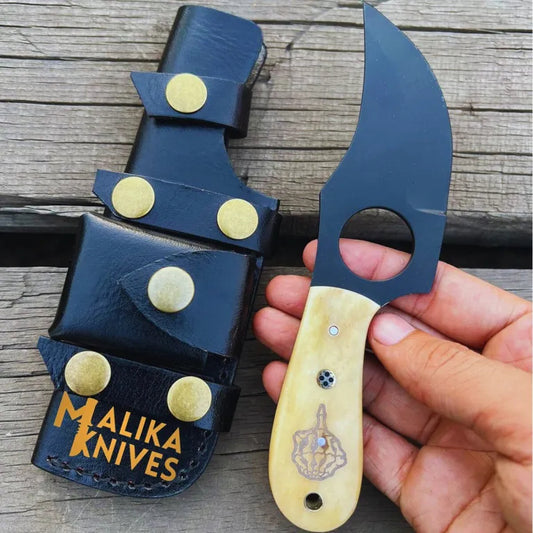
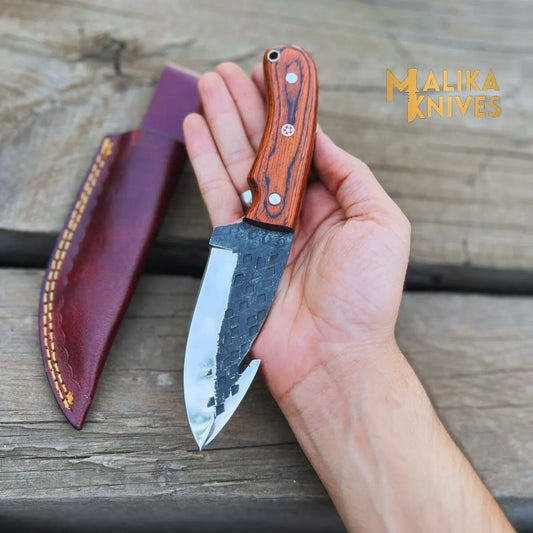
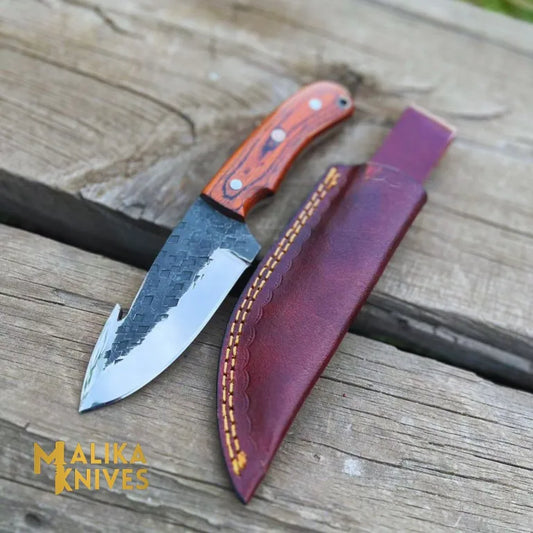
Old Timer GutHook Skinner Knife | Exquisite Craftsmanship & Razor-Sharp Blade-0028
Regular price $70.00 USDRegular priceUnit price per$107.00 USDSale price $70.00 USDSale -

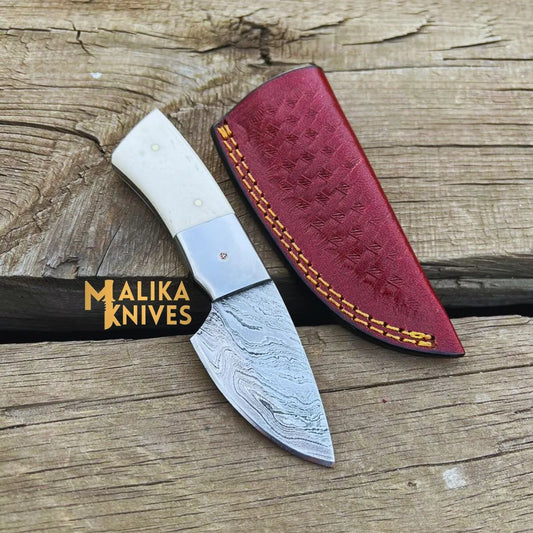
Mini Modern Tanto Skinner Knife - Camel Bone Handle for Precision Cutting & Stylish Design-0030
Regular price $75.00 USDRegular priceUnit price per$109.00 USDSale price $75.00 USDSale -
Handcrafted Fixed Blade Skinner Knife with Durable Pakka Wood Handle-0031
Regular price $69.55 USDRegular priceUnit price per$107.00 USDSale price $69.55 USDSale -
Handmade Straight Edge Skinner Knife with Wenge Wood Handle-0032
Regular price $70.00 USDRegular priceUnit price per$105.00 USDSale price $70.00 USDSale -
Handmade 3-Pointer EDC Knife: Unmatched Quality for Everyday Carry-0033
Regular price $135.99 USDRegular priceUnit price per$117.00 USDSale price $135.99 USD -
Experience Unmatched Quality: Handcrafted EDC Knives for Everyday Precision and Durability-0034
Regular price $115.99 USDRegular priceUnit price per -
The Ultimate Straight Back EDC Knife for Everyday Precision & Durability-0035
Regular price $105.99 USDRegular priceUnit price per -
The Ultimate Spear Point EDC Knife for Everyday Precision & Durability-0036
Regular price $107.99 USDRegular priceUnit price per







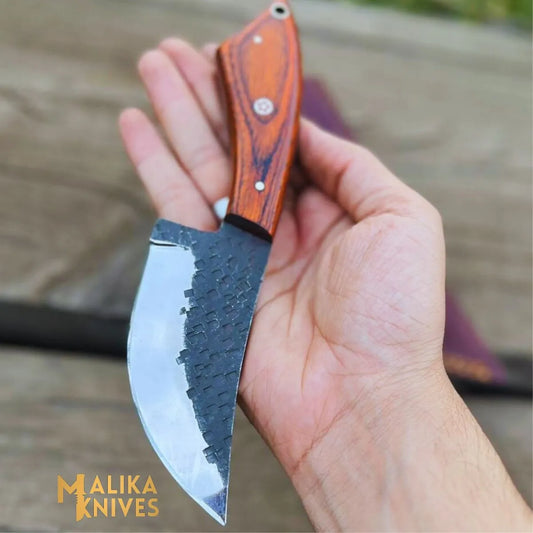
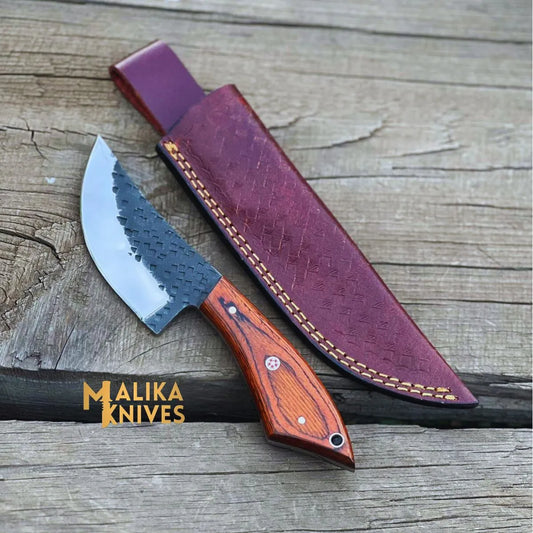
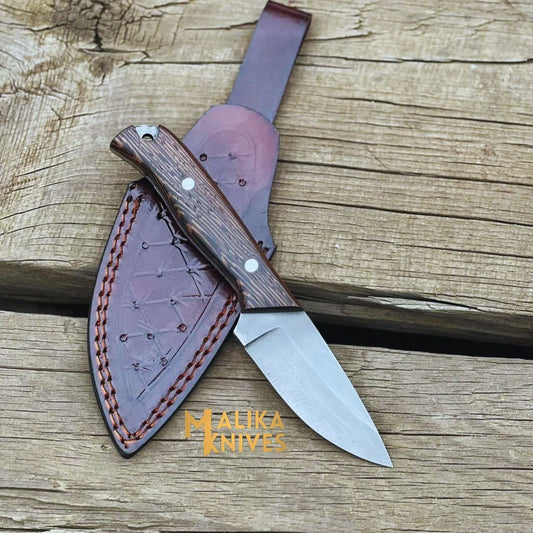
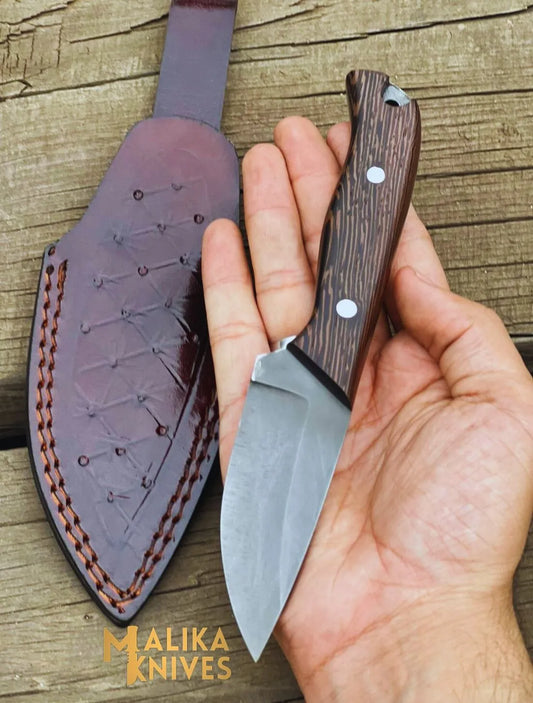
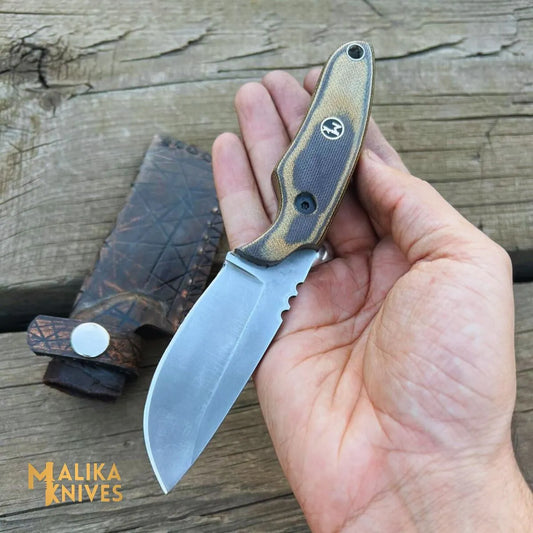
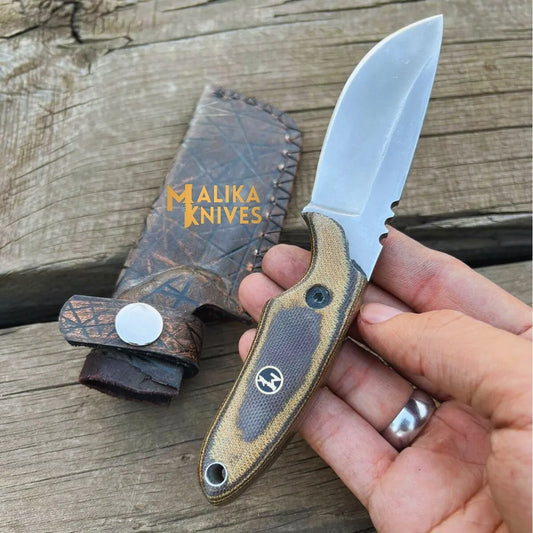
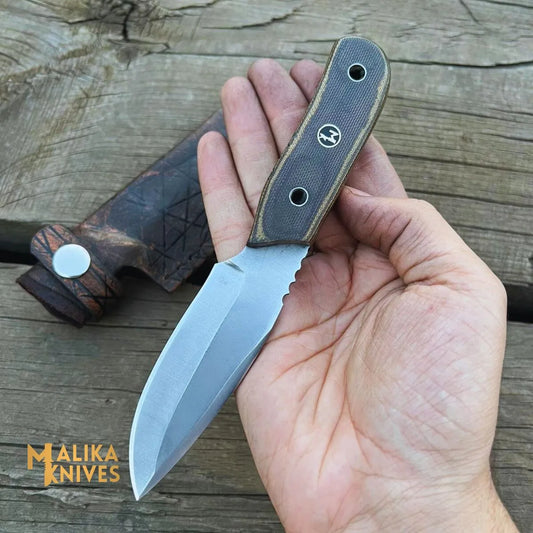
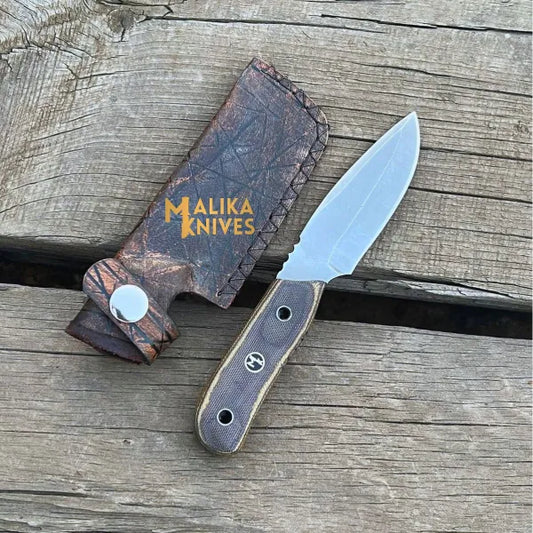
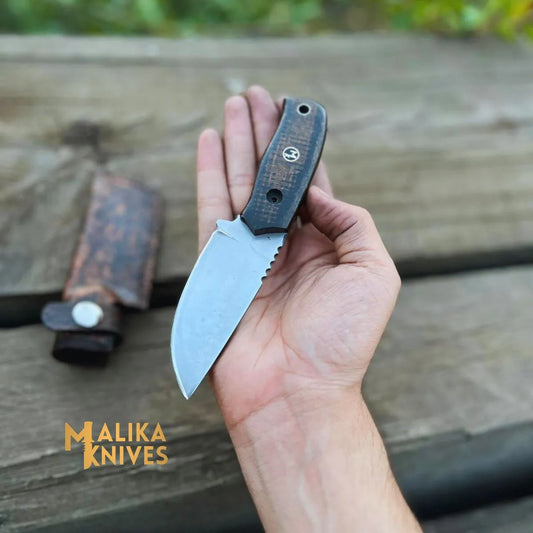
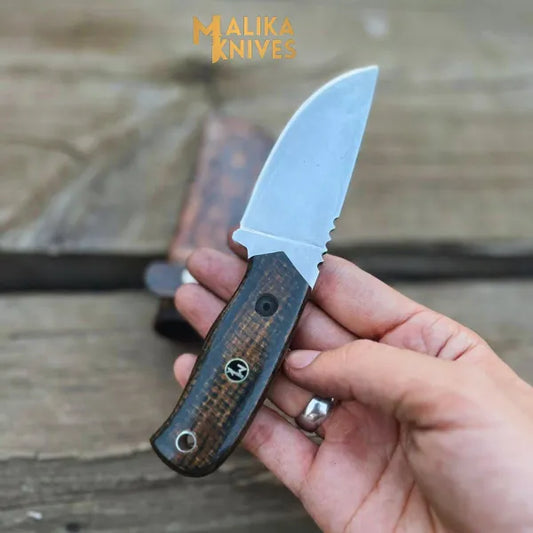
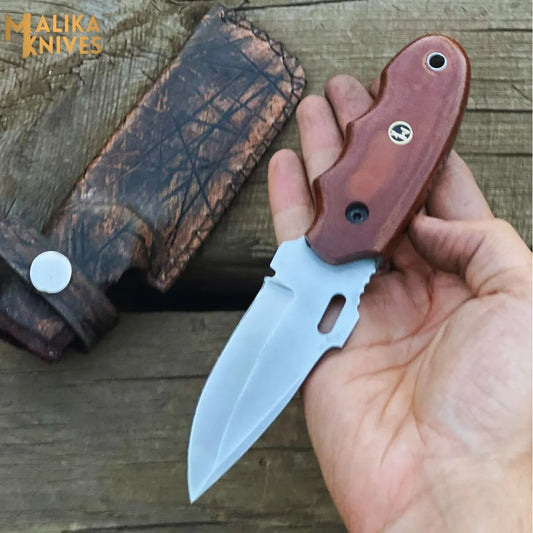
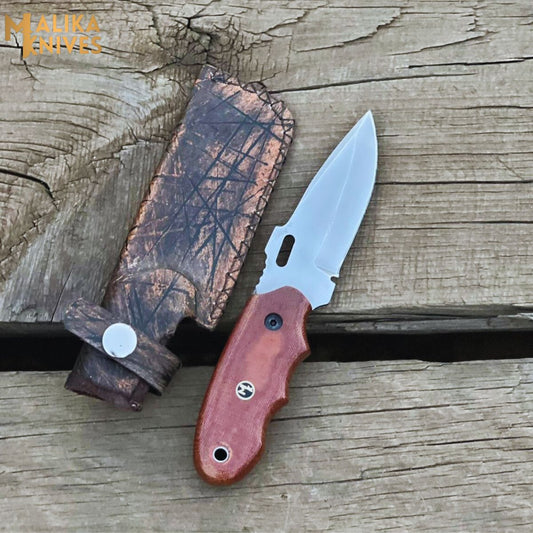
Quick facts:
- Full tang construction throughout, with no moving parts to fail
- Blade shapes: drop point, hunter point, needle point, spear point, sheepsfoot, straight back, tanto, skinner and gut hook
- Handles: stag horn, antler with rosewood, bull horn, tinted camel bone, micarta, G10, pakka wood, wenge, resin
- Engraved blades and brass inlay on several builds
- Handmade leather sheath with most knives, fitted to the individual blade
What makes this steel a good choice for a hunting knife?
D2 is often called a semi-stainless tool steel. It carries enough chromium, around 12 percent, to resist rust far better than plain carbon steel, while keeping the high hardness that lets a blade stay sharp through repeated cutting. A well-treated D2 blade keeps a working edge through hide, fat and rope with fewer trips to the stone across a hunting season.
Every knife in this collection is heat treated and hand finished by us, so the steel is worked to get the best out of what it can do.
What it is actually good at. Wear resistance is the headline. D2 was developed as a die steel, meaning it was designed to keep a cutting geometry through thousands of repetitions, and that is exactly what a skinning knife does on a large animal. It also holds up to abrasive material such as hair, hide and dirt better than most stainless steels at the same hardness.
D2 or Damascus?
The tool steel is the practical workhorse: lower maintenance, excellent edge retention, and a clean modern look. If you are drawn to the flowing patterns of layered steel and want a knife that doubles as a display piece, compare these against our Damascus range. Both are built the same way by the same hands, so the choice comes down to the look you prefer and how much upkeep you want to do.
Side by side:
|
D2 tool steel |
Carbon Damascus |
Stainless Damascus |
|
|
Composition |
Single high-chromium tool steel |
1095 and 15N20 layered |
VG10 core, 15N20 jacket |
|
Edge retention |
Excellent |
Excellent |
Very good |
|
Corrosion resistance |
Semi-stainless, roughly 12% chromium |
Low, needs oiling after every use |
Good |
|
Sharpening |
Hardest here, wants a diamond plate |
Easiest, comes back on any stone |
Moderate |
|
Toughness |
Moderate, can chip at a thin edge |
Good |
Good |
|
Look |
Clean, plain, modern |
Deepest pattern contrast |
Pattern with less upkeep |
|
Price band here |
$69 to $550 |
$79 to $319 |
Selected builds |
|
Best for |
Hard use, infrequent sharpening |
Hunters who maintain their blades |
Wet weather, low upkeep |
The short version: buy D2 if you want to sharpen the knife twice a season and forget about it in between. Buy Damascus if the knife is going to be looked at as well as used.
You can also browse the full range in our handmade hunting knives collection, or see the same steel at chopping size in our D2 steel Bowie knives.
Blade shapes for every hunting task
The right blade shape depends on how you hunt. Drop point and hunter point blades give a strong, controllable tip for general field work and field dressing. Sheepsfoot blades offer a safe, flat edge that suits precise cuts close to the hide. For a western-style fixed blade that doubles as a daily carry, the western belt knife in D2 rasp steel with a stag horn handle is a standout.
Handcrafted handles in natural and technical materials
No two handles in this collection are exactly alike. You will find warm natural materials such as stag horn, antler paired with rosewood, bull horn, and hand-tinted camel bone, several with engraved blades and brass inlay for an heirloom look. A good example is the D2 hunting knife with an antler and rosewood full-tang handle, which pairs a rugged working blade with a striking natural grip.
For hunters who want a grippy, weather-resistant handle, we also build on modern materials such as micarta, G10 and pakka wood that shrug off moisture and hard use. The Ridge Runner D2 hunting knife with a micarta handle is a popular choice for serious field use.
The honest split. Micarta and G10 hold grip best with blood and fat on your hands, which is the condition hunting actually puts a handle in. Stag horn, polished bone and horn look considerably better and are noticeably slicker wet. Dense textured woods such as wenge and rosewood sit in between. So take a synthetic if the knife will process animals, and take the stag if it is a gift or a piece you will mostly look at.
Which D2 hunting knife is right for you?
- First hunting knife, one blade for everything. A drop point or hunter point with a micarta handle. Grip that holds wet, and the shape that does every stage adequately.
- Heirloom or gift. The antler and rosewood build, which is the piece people stop on.
- Skinning first. A skinner with a curved belly, or see the full skinning knives range.
- Precision and caping. The needle point with a camel bone handle, the finest tip in the collection.
- Western dress on a working blade. The western belt knife in D2 rasp steel with stag horn.
- Cheapest way in. The straight edge skinner with a wenge wood handle or the pakka wood fixed blade, both under $70.
Caught between two? Send us both through contact and we will tell you which one we would keep.
How do you care for the blade?
D2 resists rust but is not fully stainless, so a little care keeps the blade looking and cutting its best. Wipe it clean and dry after each use, store it out of its leather sheath for long periods to avoid trapped moisture, and apply a light coat of oil before storage. A few minutes of upkeep keeps the blade sharp and spot-free for decades.
If you want to go deeper on steels, our guide to the best steel for hunting knives, D2 vs Damascus covers the comparison in full, and how to care for a Damascus steel knife applies to any carbon-bearing blade.
Why buy from Malika Knives
Every knife is made by us, Naqash and Younas Minhas, with more than 15 years of combined bladesmithing experience at the bench. We do not mass-produce, and each blade is forged, ground and finished individually, then matched with a hand-stitched leather sheath. Learn more about how we work on our About page, and reach out any time if you would like help choosing the right knife for your hunt.
Are these knives legal to own and carry?
United States
Fixed blades in this size range are legal to own throughout the United States and sit below the blade length thresholds most states apply. Carry is regulated at state and often municipal level, and many states treat carry while lawfully hunting differently from general public carry. Check both your state statute and your hunting regulations.
Canada
Fixed blades are legal to own in Canada, where prohibited classifications turn on the opening mechanism rather than blade length. Carry sheathed and for a lawful purpose.
United Kingdom and EU
Ownership is generally legal, and hunting, fishing and transport to and from those activities are among the recognised reasons for carrying a fixed blade in public. Confirm current import and age-verification rules before ordering.
Rules change. Treat this as a starting point and verify current law and hunting regulations where you hunt.
Frequently Asked Questions
Is this steel good for a hunting knife?
Yes. D2 is one of the most popular hunting knife steels because it holds a sharp edge for a long time and resists rust better than plain carbon steel. It is an excellent all-round choice for field dressing, skinning and general outdoor cutting.
Is D2 steel stainless?
Not fully. D2 is a semi-stainless tool steel with about 12 percent chromium, which gives strong rust resistance but not the complete protection of a true stainless steel. With basic care, meaning wiping it dry and oiling it before storage, a D2 blade stays clean and spot-free for many years.
How do I sharpen it?
D2 is harder than many steels, so it sharpens best on a diamond or ceramic stone rather than a soft natural stone. Keep a consistent angle of about 20 degrees per side, work from a coarser grit to a finer one, and finish with a few light passes on a strop.
Do these knives come with a sheath?
Most knives in this collection come with a handmade leather sheath, hand-stitched to fit each blade. Check the individual product page to confirm the sheath included with that specific knife.
Are these knives full tang?
Yes. The fixed blades in this collection are full tang, meaning the steel runs the full length of the handle for maximum strength and balance. That matters on a knife meant to take hard use in the field.
How hard is D2 steel on the Rockwell scale?
D2 is typically hardened to around [CONFIRM] HRC. That hardness is what gives the blade its edge retention while staying tough enough for demanding field work.
What is the best blade shape for a hunting knife?
It depends on the task. Drop point and hunter point blades are versatile choices for field dressing and general work, while sheepsfoot blades give a safe, flat edge for precise cuts close to the hide. Nine shapes run through this collection, so you can match the knife to how you hunt.
How do I prevent rust?
Wipe the blade clean and dry after each use, avoid storing it inside a damp leather sheath for long periods, and apply a light coat of oil before storage. A few minutes of care keeps the blade sharp and spot-free for decades.
Are these knives handmade?
Yes. Every knife is forged, ground and finished by hand by us, Naqash and Younas Minhas, with more than 15 years of combined bladesmithing experience. We do not mass-produce, so each knife is an individual piece.
Can it be used for skinning and camping?
Yes. The full-tang knives in this collection handle skinning, field dressing, food preparation and general camp tasks. For dedicated skinning work, see our skinning knives collection.
What is the downside?
Two things. It is the hardest steel we use to sharpen, so it wants a diamond plate rather than a soft stone. And it is a die steel rather than an impact steel, so a very thin edge can chip on bone or a knot instead of rolling. Use it for cutting rather than prying.
